Wilder Auto Body Highlights Aluminum Repair Capabilities
Clay Center, KS - September 09, 2026 - PRESSADVANTAGE - Wilder Auto Body has published a new September consumer
Press Release Disclaimer: This is a press release distributed through the XPR Media network. It has not been independently verified by our newsroom.
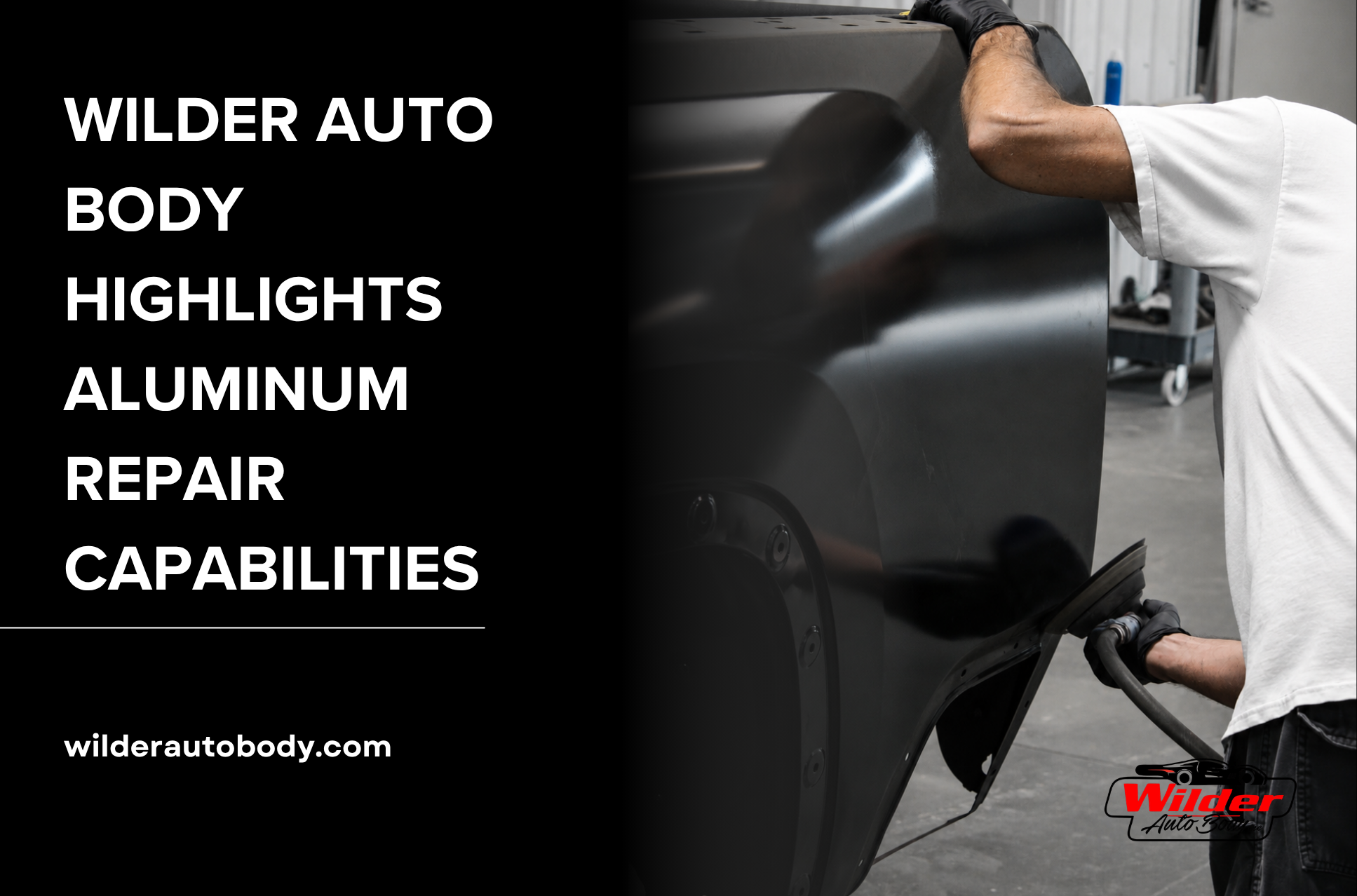

Clay Center, KS – September 09, 2026 – PRESSADVANTAGE –
Wilder Auto Body has published a new September consumer resource, “Understanding Aluminum Collision Repair,” explaining how aluminum vehicle construction can influence damage evaluation and repair planning after an accident.
The new guide focuses on five areas consumers may encounter during an aluminum-related collision repair: identifying the affected material, determining repairability, understanding specialized repair practices, reviewing component joining methods, and using vehicle-specific manufacturer information to establish applicable procedures.
Wilder Auto Body developed the September resource to address the increasing complexity of mixed-material vehicle construction and to give consumers a concise explanation of why visually similar damage can require different repair approaches. Depending on the make, model, and component, vehicles can incorporate aluminum alongside various steels, plastics, composites, adhesives, and other materials.
The guide begins with material identification because the appearance of a damaged component does not necessarily reveal how it was constructed. Aluminum may be used in hoods, doors, fenders, liftgates, exterior panels, structural components, or other areas depending on the vehicle.
Knowing the material involved provides context before repairability is determined. Damage to an aluminum hood, for example, can present different considerations from damage to a conventional steel hood or an aluminum component serving a different function elsewhere on the vehicle.
Additional information about Wilder Auto Body’s approach is available through its aluminum repair resource.
The September guide also explains that aluminum does not automatically mean replacement.
Repair-versus-replacement decisions can consider the affected component, damage characteristics, location, accessibility, attachment areas, and technical limitations established for that vehicle. A relatively small damaged area should not automatically be considered repairable based solely on its visible dimensions, just as the presence of aluminum does not independently establish that replacement is necessary.
This component-specific approach is particularly relevant on vehicles that combine multiple materials within the same body structure.
Another section of the new guide introduces consumers to contamination control.
Aluminum repair can require attention to the tools and work practices used around the affected component. Separating certain aluminum repair operations from sources of steel contamination is one example of why repairing the material can involve processes different from conventional steel body work.
Industry repair resources provide additional technical context for these distinctions. I-CAR’s Repairability Technical Support materials provide collision repair professionals with information for researching vehicle construction, OEM procedures, and repairability considerations. The independent resource is available through I-CAR Repairability Technical Support.
Wilder Auto Body cites I-CAR as an independent industry information source. The September guide is a Wilder Auto Body consumer resource and is not presented as an I-CAR publication, sponsorship, affiliation, or endorsement.
Joining methods are another topic addressed in the publication.
Modern vehicles can use rivets, adhesives, welds, mechanical fasteners, or combinations of methods to connect aluminum and mixed-material components. When replacement of an affected component is appropriate, the required joining method can depend on how that particular component integrates with the surrounding vehicle structure.
For consumers, this helps explain why replacing a collision-damaged panel can involve more than removing one component and installing another that looks the same externally.
The September guide also provides a concise explanation of corrosion-protection considerations. Collision damage and certain repair operations can disturb coatings, seams, attachment locations, and other protected surfaces. When applicable repair information identifies protection procedures for the work being performed, those operations can become part of the repair plan.
Refinishing is addressed separately from the underlying body repair.
After applicable repairs are completed, a painted aluminum component may require surface preparation, primers, coatings, and refinishing procedures appropriate to the material and repair operation. The completed exterior finish may appear consistent with surrounding panels even though some of the preparation and body-repair processes differ from those associated with other materials.
Modern electronic systems can introduce additional considerations when they are located near a collision-affected component.
Cameras, radar units, parking sensors, wiring, and other equipment can be positioned within or near exterior areas. Repairing or replacing an aluminum component does not automatically mean that scanning, calibration, or another electronic procedure is necessary.
Instead, the required operations are established according to the individual vehicle, affected systems, work performed, and applicable technical information.
By bringing these topics together, “Understanding Aluminum Collision Repair” gives consumers a defined framework for terminology that can otherwise be difficult to interpret on a collision repair plan.
References to aluminum-specific practices, mixed-material construction, adhesives, rivets, contamination control, corrosion protection, and manufacturer procedures can describe interconnected parts of one repair rather than unrelated services.
The guide is educational and does not establish a repair method for a particular vehicle without evaluation. Actual repair requirements depend on the vehicle, affected component, documented collision damage, and applicable technical procedures.
Wilder Auto Body also provides broader information about its collision repair process for consumers seeking additional context about post-accident repair planning.
The September publication expands Wilder Auto Body’s consumer education materials by concentrating aluminum-related repair terminology and decision factors into one resource designed to make modern collision repair planning easier for vehicle owners to understand.
About Wilder Auto Body
Wilder Auto Body is a family-owned auto body repair business serving Clay Center and surrounding Kansas communities. The company provides collision repair, auto body repair, paintless dent repair, hail damage repair, ADAS calibration, aluminum repair, towing, and related vehicle repair services.
###
For more information about Wilder Auto Body Inc, contact the company here:
Wilder Auto Body Inc
Kyle Wilder
(785) 632-3484
office@wilderautobody.com
138 E Crawford St, Clay Center, KS 67432