Redding Eye Doctors Describe Corneal Endothelial Transplantation
Dr. Michael Sumsion and Dr. Sean Sumsion share details on corneal endothelial transplant procedures, including DMEK and
Press Release Disclaimer: This is a press release distributed through the XPR Media network. It has not been independently verified by our newsroom.
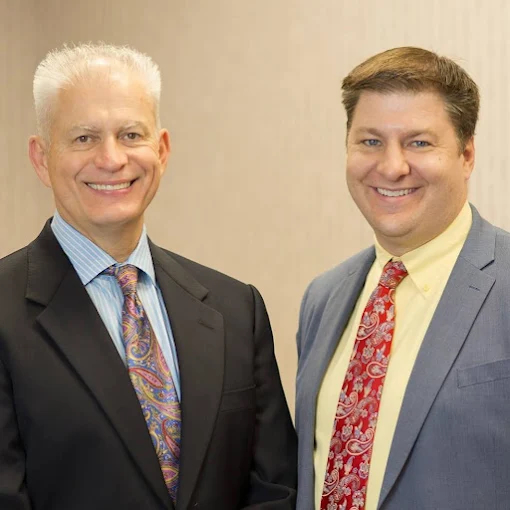

Dr. Michael Sumsion and Dr. Sean Sumsion share details on corneal endothelial transplant procedures, including DMEK and DSAEK.
REDDING, CA, UNITED STATES, August 27, 2026 /EINPresswire.com/ — The cornea is a vital part of the eye, serving as the clear, dome-shaped outer layer that protects internal structures while helping to focus light for vision. When the endothelial layer becomes damaged, fluid can build up within the cornea, leading to swelling, discomfort, and impaired vision. Dr. Michael Sumsion and Dr. Sean Sumsion, two Redding ophthalmologists, note that corneal endothelial transplantation is a group of surgical techniques used to treat conditions affecting the innermost layer of the cornea.
Corneal endothelial transplantation is designed to selectively replace the damaged inner layer of the cornea rather than removing the entire structure. This approach differs from traditional full-thickness corneal transplant procedures and allows much of the patient’s natural corneal tissue to remain intact. By targeting only the affected portion, these procedures may support more predictable healing and visual recovery in appropriate candidates.
Two commonly used forms of endothelial transplantation are Descemet’s Membrane Endothelial Keratoplasty (DMEK) and Descemet’s Stripping Automated Endothelial Keratoplasty (DSAEK). According to Dr. Michael Sumsion, both procedures involve transplanting healthy donor endothelial cells, but they vary in technique. DMEK uses a very thin layer of donor tissue consisting primarily of the endothelial cells and membrane, while DSAEK uses a slightly thicker graft that includes a small amount of supporting tissue. The choice between these techniques can depend on several factors, including the patient’s condition and overall eye health.
“These procedures are often performed on an outpatient basis using local anesthesia. Recovery timelines can vary, but many patients are able to resume normal daily activities within a relatively short period, with vision gradually improving as the eye heals,” Dr. Sean Sumsion says. “Post-operative care typically includes the use of prescribed eye drops and follow-up visits to monitor healing and detect any early signs of complications.”
Corneal endothelial transplantation is commonly used to address conditions such as Fuchs’ corneal dystrophy, corneal swelling following cataract surgery, and certain cases of graft failure after a previous transplant. As surgical techniques continue to evolve, these targeted procedures represent an important development in the management of corneal disease, offering an alternative to more extensive transplant methods while preserving as much of the natural eye structure as possible.
Both Dr. Michael Sumsion and Dr. Sean Sumsion encourage individuals with questions about corneal conditions or transplant options to consult a qualified eye care professional. These procedures are intended to reduce discomfort, improve visual function, and enhance a patient’s quality of life.
About Michael Sumsion, MD
Dr. Michael Sumsion is a board-certified ophthalmologist with extensive experience in the field of eye care. He earned his medical degree from the University of Utah School of Medicine and went on to complete his ophthalmology residency at the Mayo Clinic. His clinical interests include cataract surgery, LASIK, and the diagnosis and treatment of a wide range of ocular conditions. He is an active member of numerous professional organizations, including the American Society of Cataract and Refractive Surgery, American Medical Association, the American Academy of Ophthalmology, and California Academy of Eye Physicians and Surgeons.
About Sean Sumsion, MD
Dr. Sean Sumsion is a board-certified ophthalmologist with a background in both clinical care and academic medicine. He previously served as a Resident Physician and Associate Clinical Professor at the University of Texas Health Science Center, where he was actively involved in ophthalmic research and contributed to multiple peer-reviewed publications. During his training, he was honored with the 2016 Resident of the Year Award in recognition of his clinical excellence and dedication to patient care. Dr. Sumsion has also participated in international medical outreach, including a pediatric ophthalmology mission trip to Honduras, where he helped provide eye care services to underserved communities.
Dr. Michael Sumsion and Dr. Sean Sumsion are available for interview upon request.
For more information about Dr. Michael Sumsion, Dr. Sean Sumsion, or Riverside EyeCare Professionals, please visit recp-eyemd.com.
To view the original source of this release, click here: https://www.recp-eyemd.com/practice-news/redding-eye-doctors-describe-corneal-endothelial-transplantation/
###
Riverside EyeCare Professionals
2801 Park Marina Drive
Redding, CA 96001
(530) 244-2273
Rosemont Media
www.rosemontmedia.com
Katie Nagel
(858) 200-0044
email us here
Legal Disclaimer:
EIN Presswire provides this news content “as is” without warranty of any kind. We do not accept any responsibility or liability
for the accuracy, content, images, videos, licenses, completeness, legality, or reliability of the information contained in this
article. If you have any complaints or copyright issues related to this article, kindly contact the author above.

Media gallery